
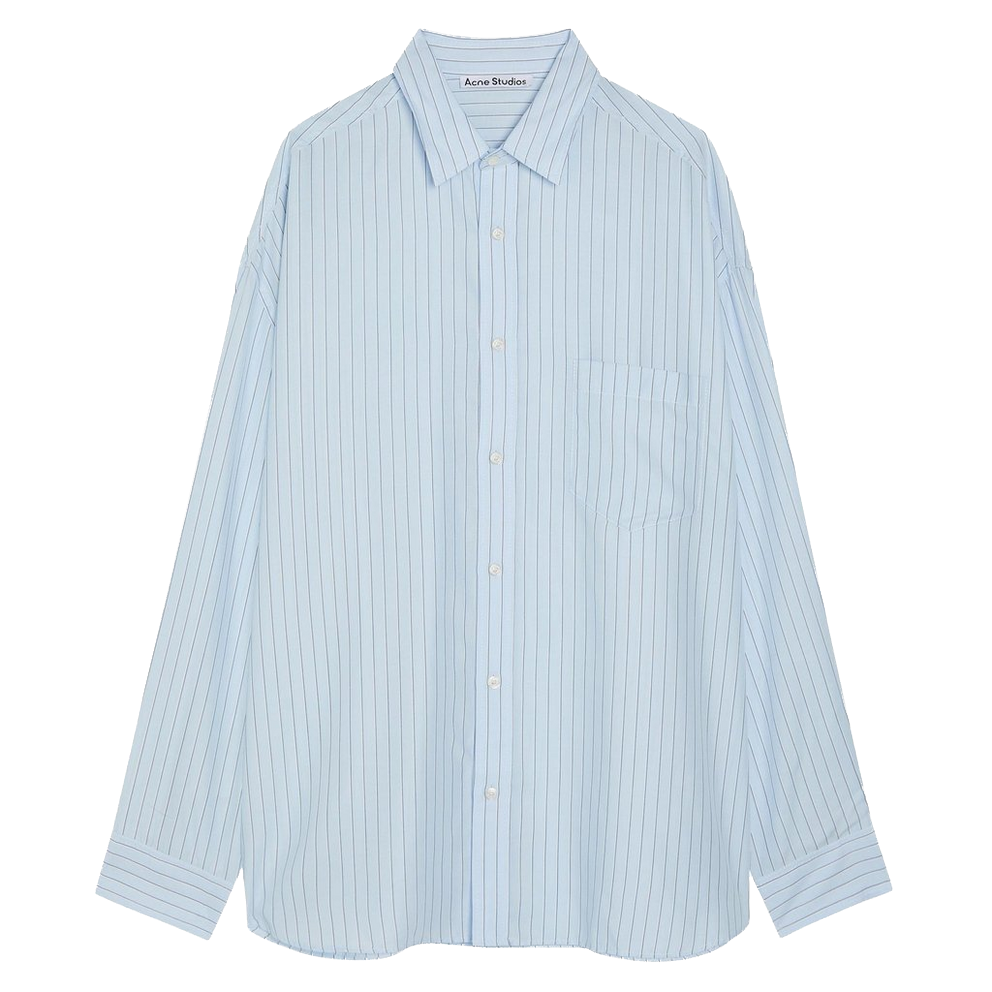
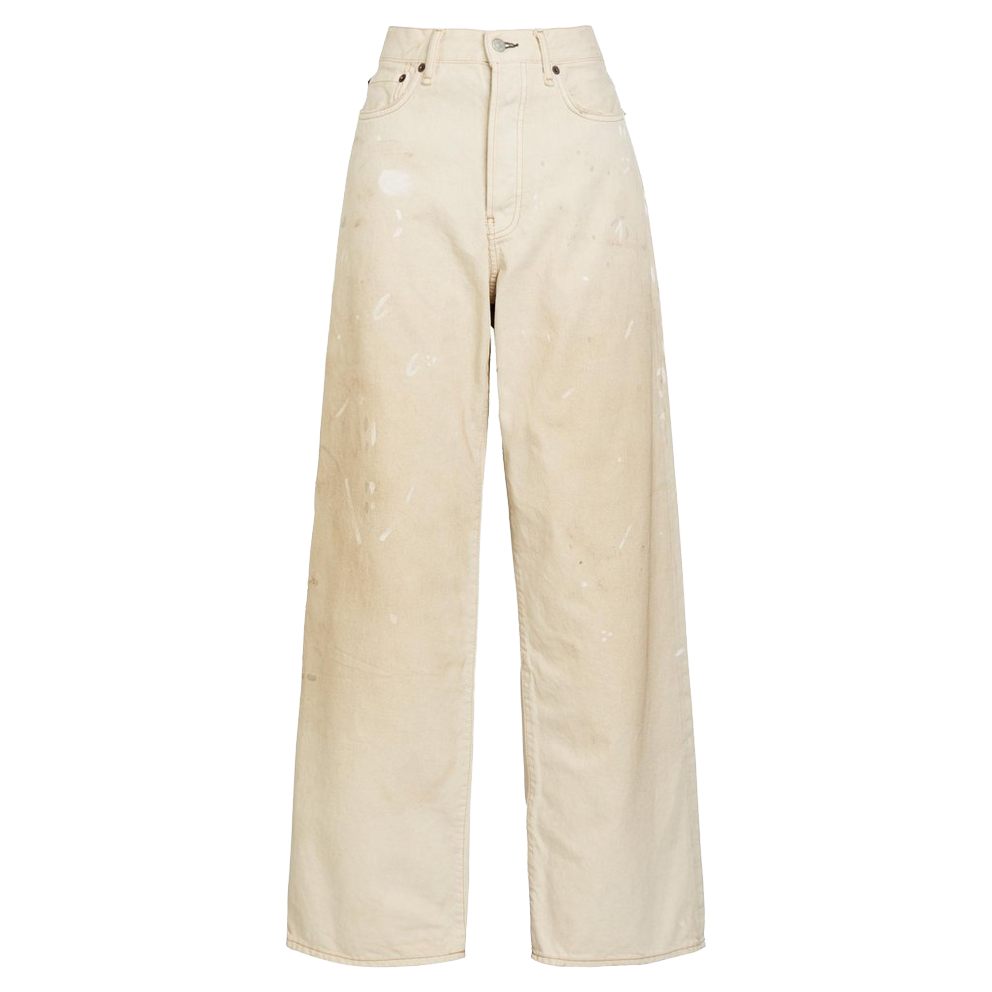
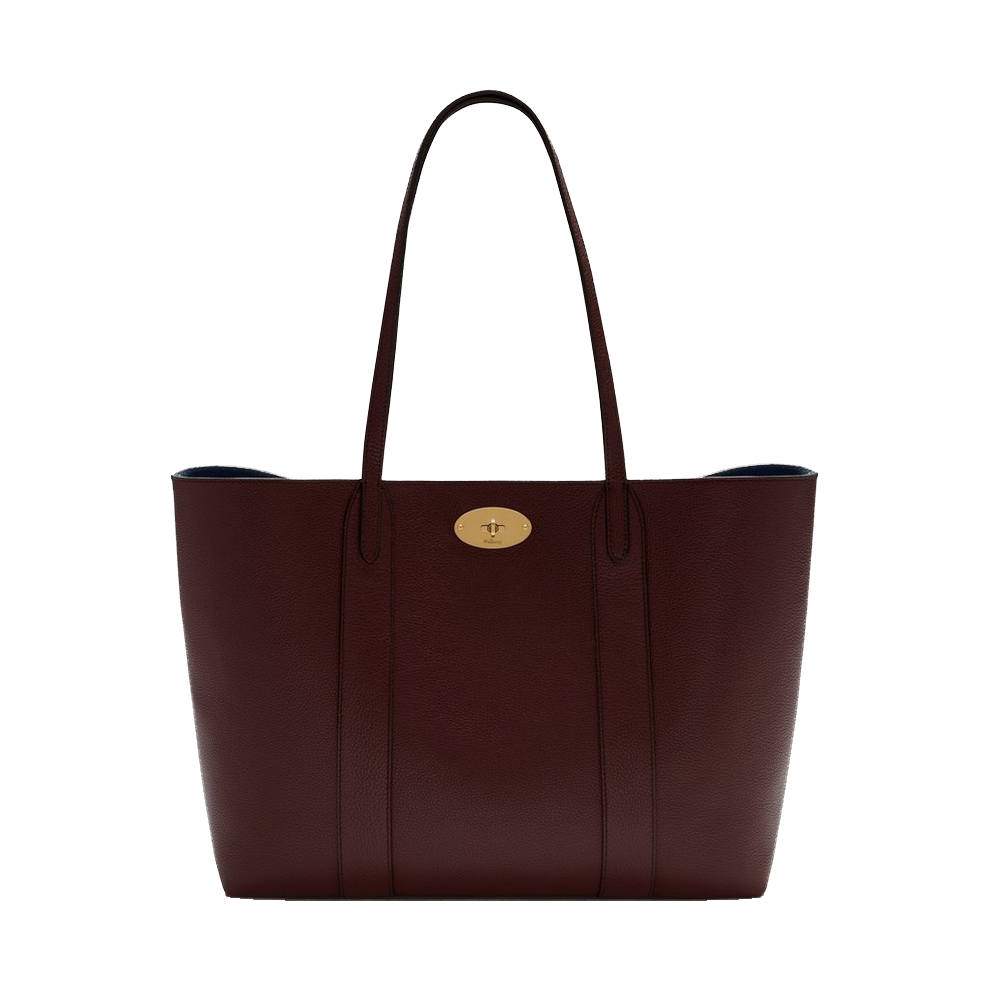
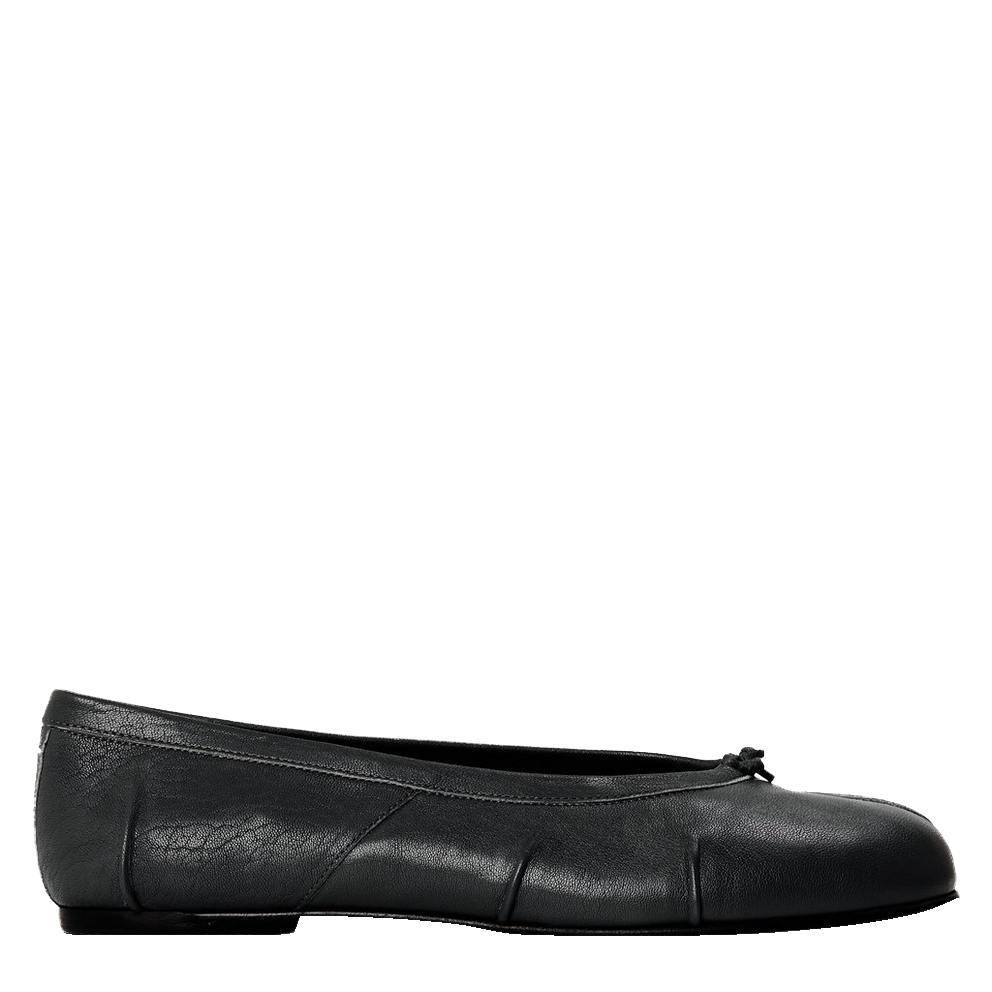
The retail challenge
A single product can inspire an outfit, but finding complementary pieces creates extra work for shoppers.
How it works
Selectika uses fashion attributes including fit, fabric, neckline, style and occasion to recommend complementary items. Recommendations are drawn from the retailer’s catalogue, with stock availability informing the experience.
Where it helps
- Present outfit ideas beside the product being viewed.
- Introduce complementary categories.
- Give merchandising teams a way to make styling knowledge useful at the point of choice.
Implementation
The recommendation API returns complementary items and additional outfit sets. Connect these results to your product pages and other relevant shopping journeys.
For a focused demo, bring a few representative products with clear images and item identifiers. You do not need to prepare product descriptions: Selectika can generate them. Agree the catalogue fields, availability information and styling requirements for your test with the team.
Expert-reviewed outfit relationships
Selectika has processed hundreds of thousands of complete looks. Items in these looks are identified with bounding boxes, matched to the retailer’s catalogue and reviewed or corrected by fashion experts. The company describes this relationship data as a foundation for training and refining its outfitting intelligence.
Outfit recommendations consider category logic, compatibility, occasion, style, price, stock and retailer controls. This is complementary-item selection, rather than simply finding products that look alike.
Put outfit recommendations into the shopping journey
Ecommerce and merchandising teams can place a complete look beside a product a shopper is considering. The published API returns the principal set and can include additional sets. Teams can evaluate whether the combinations reflect their assortment and brand direction before agreeing the storefront presentation.
ILLUSTRATIVE EXAMPLE
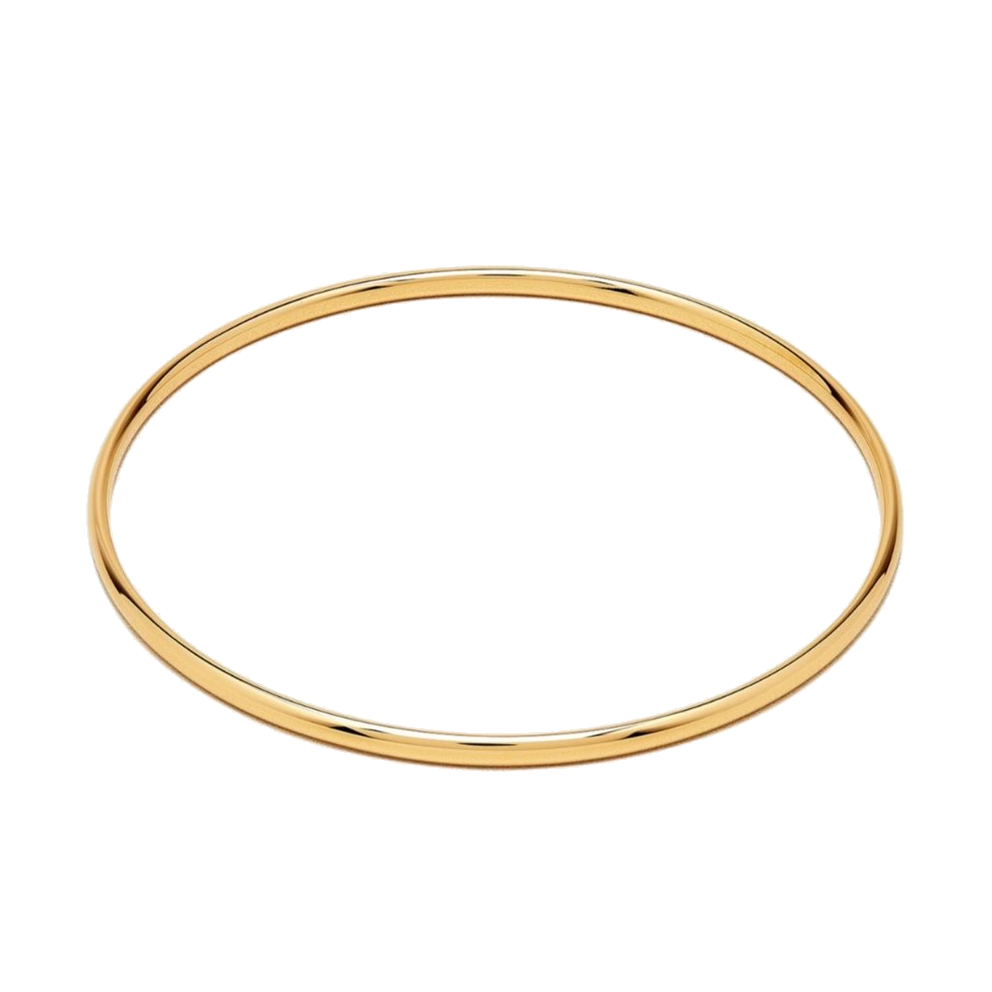
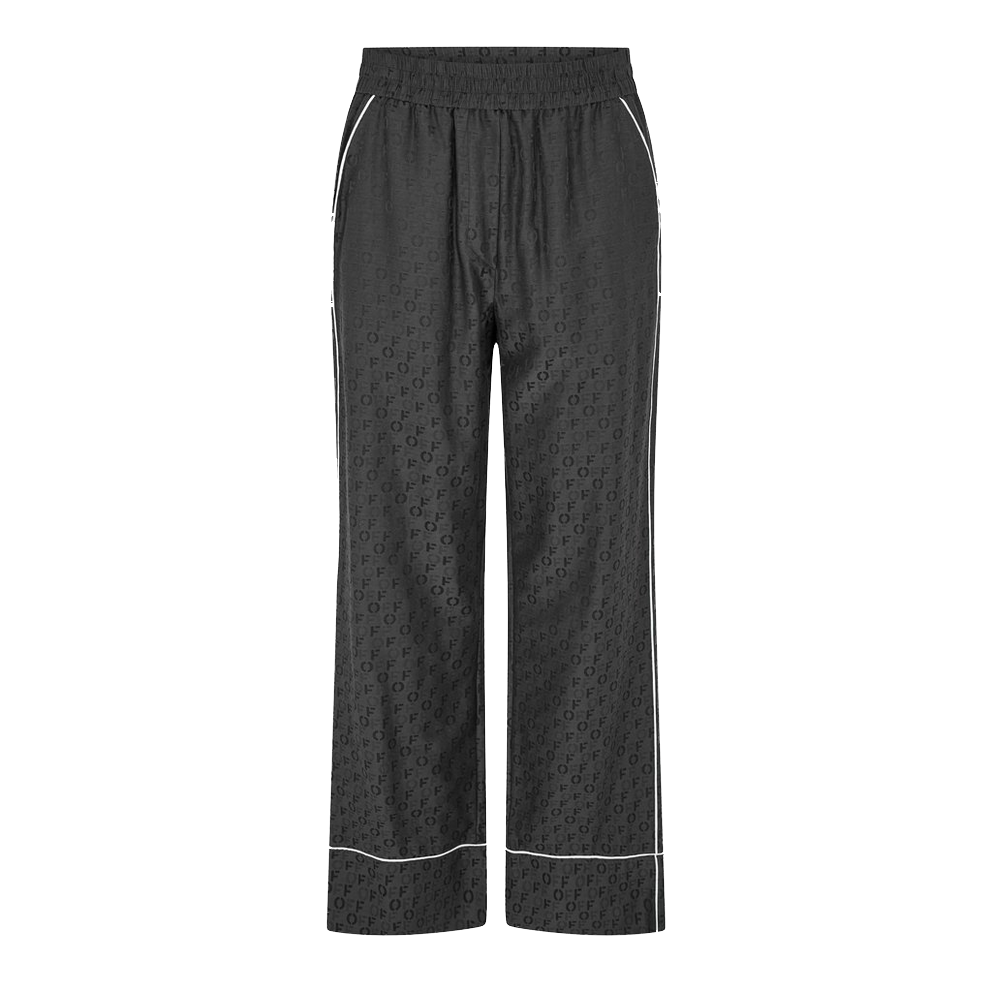
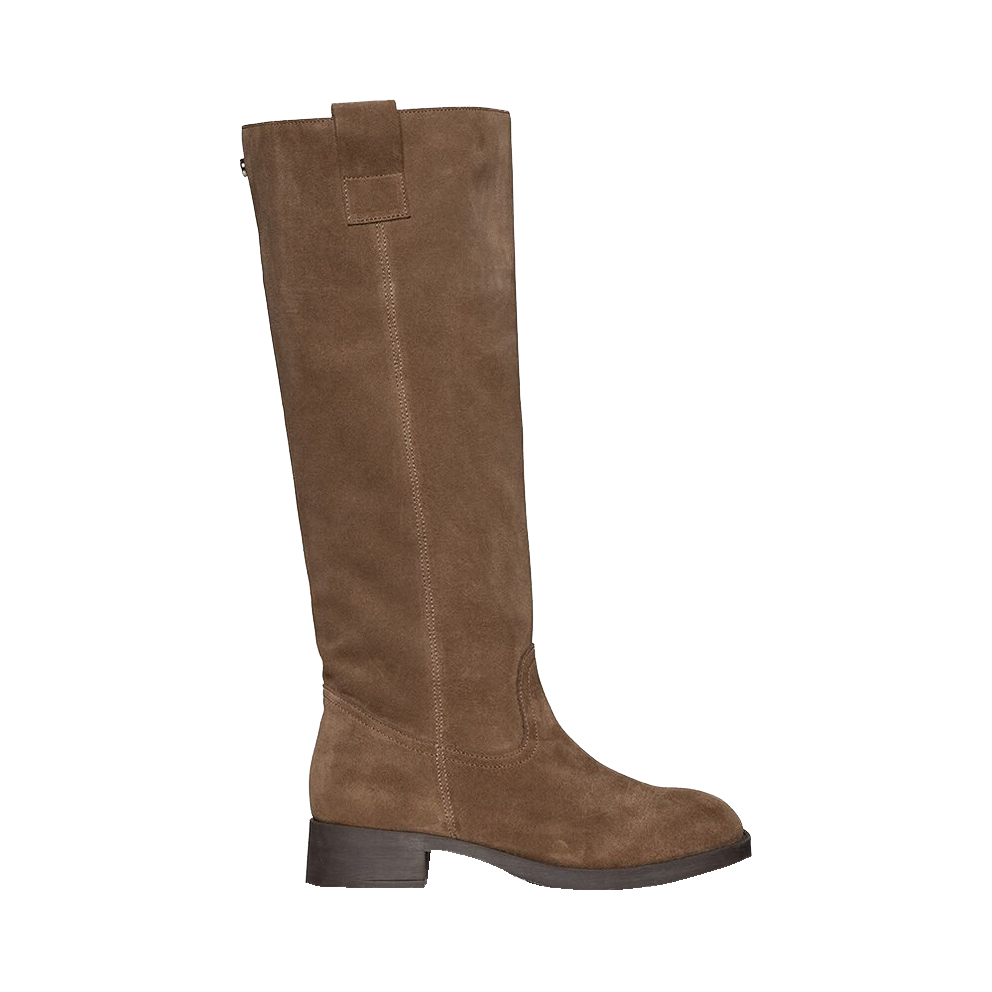
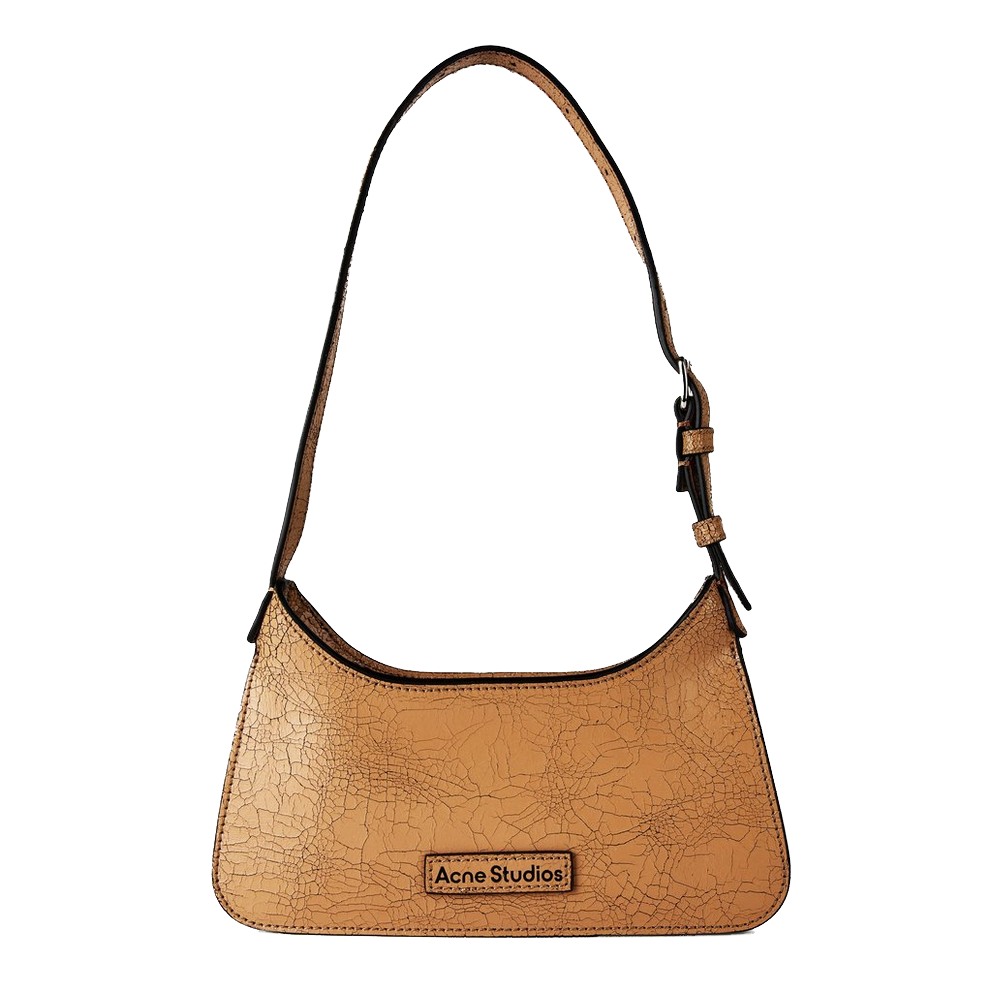
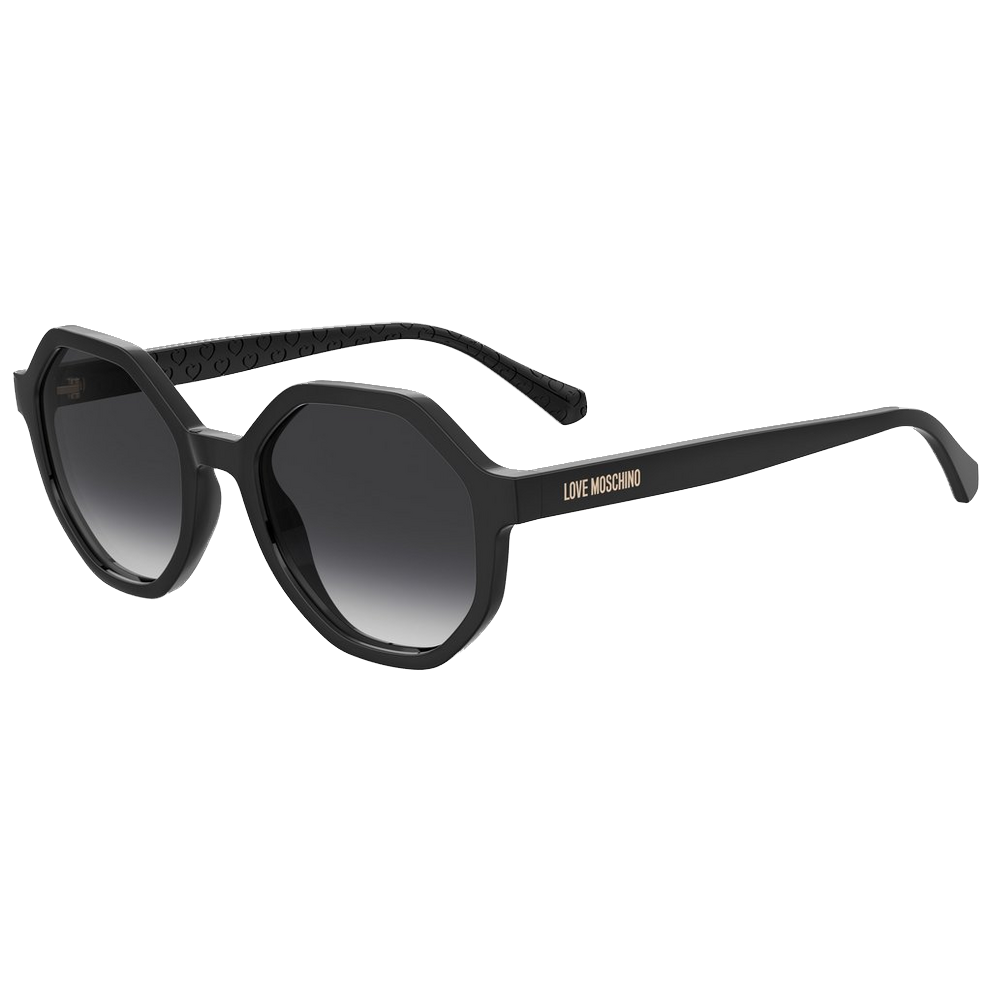
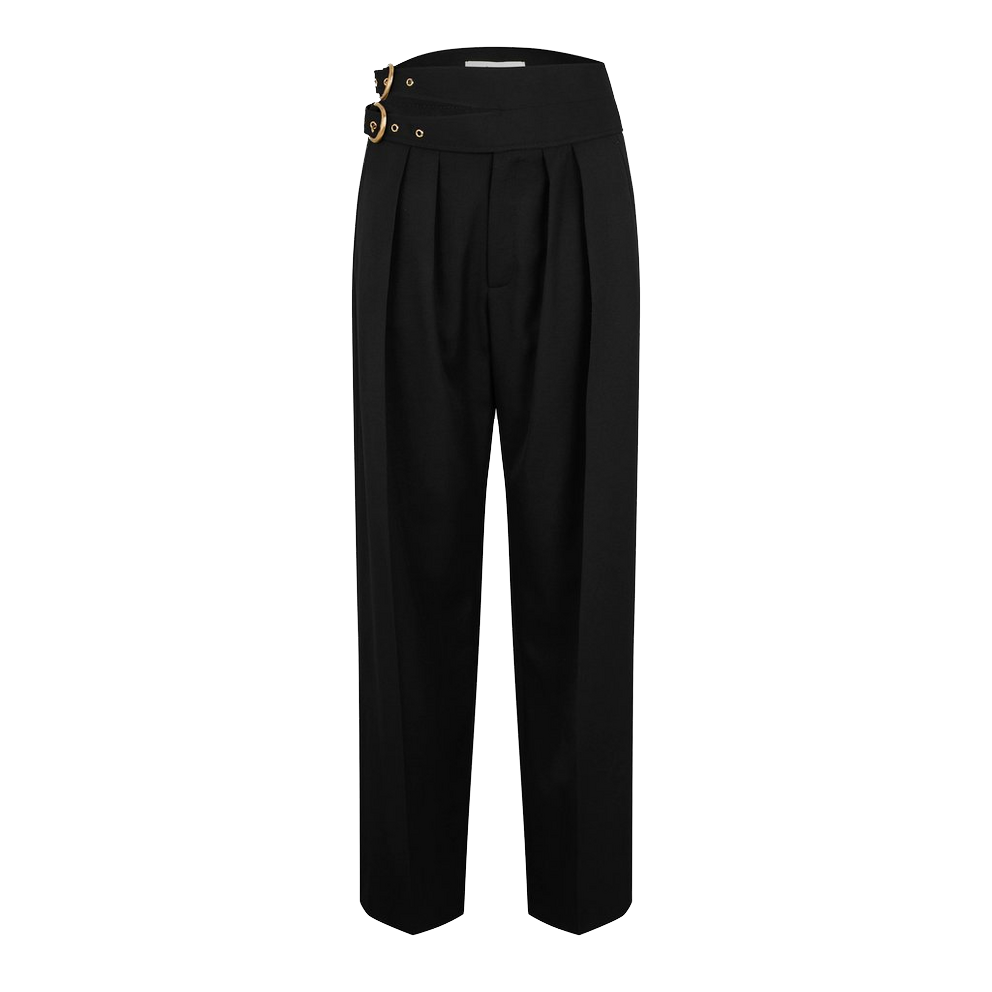
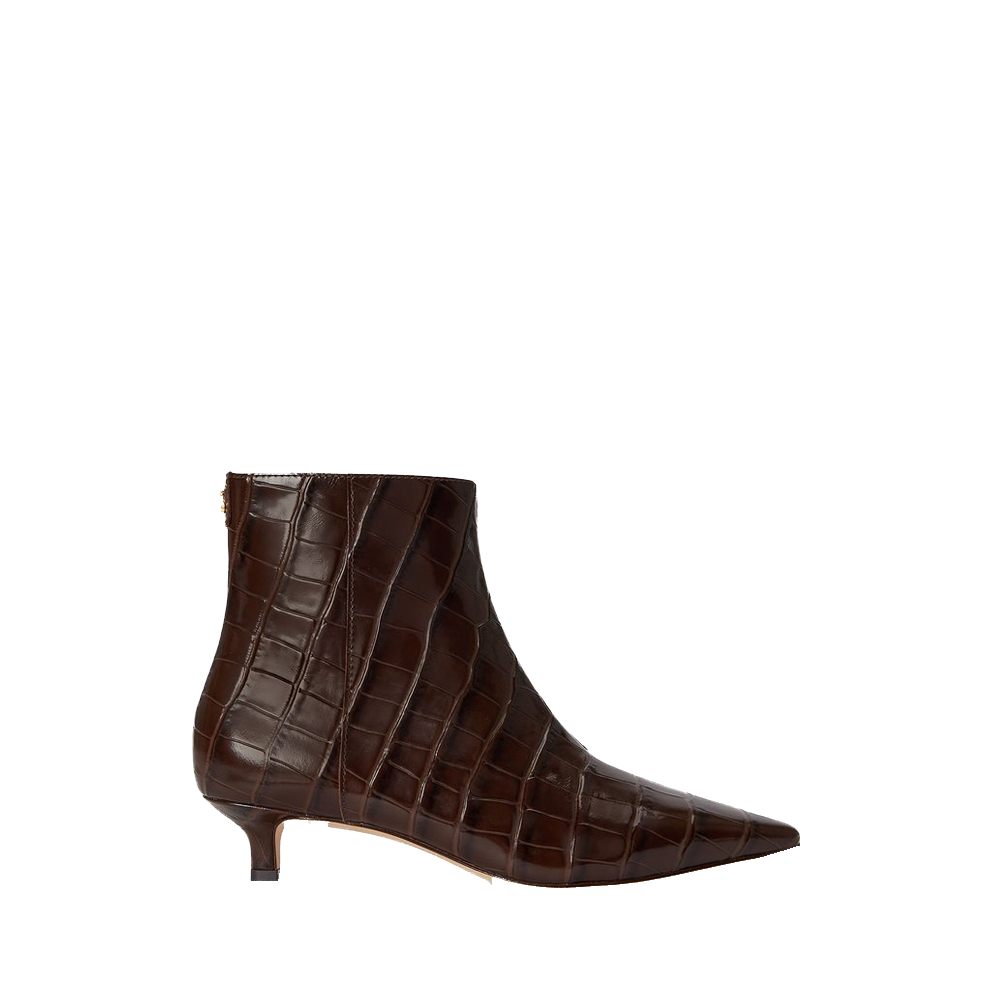
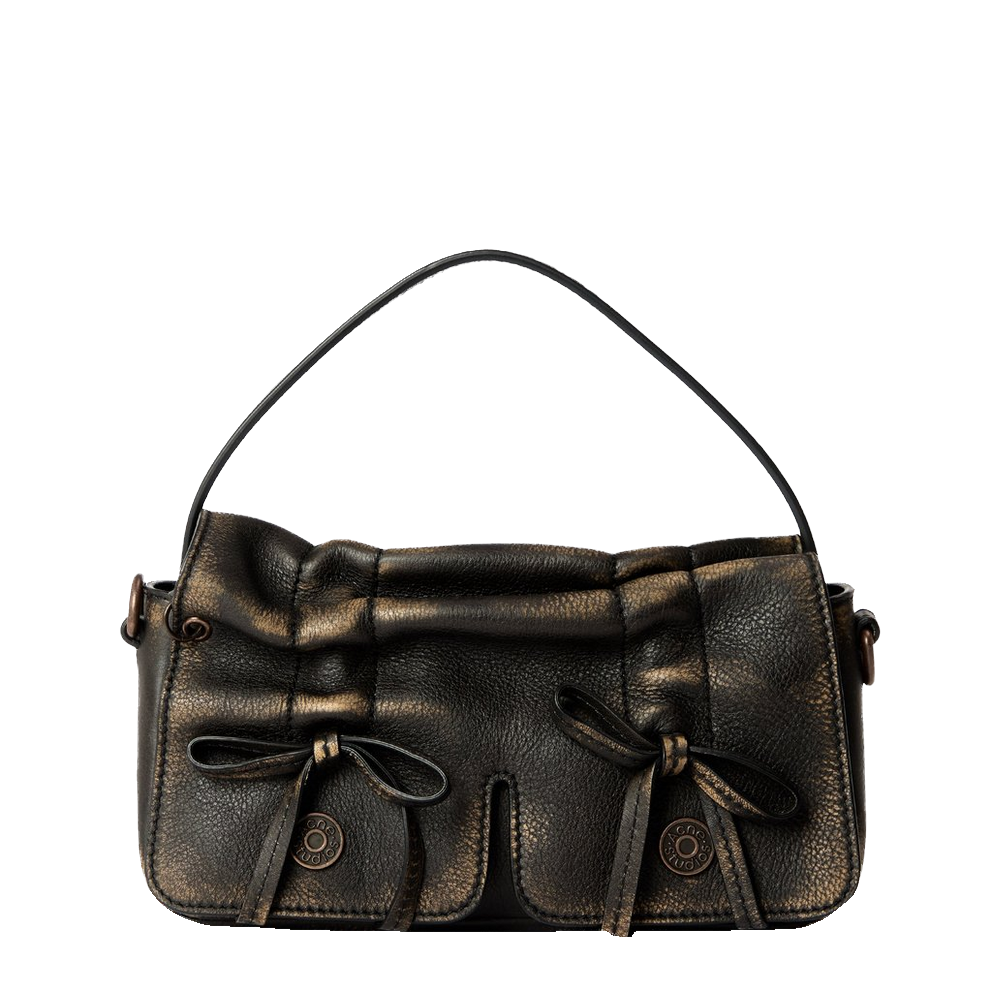
A shopper viewing a dress could explore a coordinated layer, shoes and a bag from the same catalogue. The appropriate pieces depend on the shopper’s context, the product relationships and current availability.
Show a coherent set, then offer another direction
The documented outfit response separates the main recommendation in items from optional alternatives in more_sets. This lets a storefront present one outfit clearly, with additional sets when returned, rather than mixing several looks into an undifferentiated row of products.
Use your catalogue identifiers to connect the recommended pieces with product pages. Review the set for category balance, compatibility, occasion, price and availability. Explore the recommendation response
An outfitting implementation in practice.
The historical JD implementation presents complementary products together on the product page. The case study describes the feed, retailer review and storefront setup.
Read case studyQuestions about complementary recommendations
What goes in, and what comes back?
The documented recommendation request starts from a catalogue item identifier. The response contains complementary items and may include additional outfit sets. Your storefront connects the returned identifiers to product details, sizes and the retailer’s buying journey. See the recommendation API.
Are the demo outfits live recommendations?
The interactive example on this page uses curated products and prepared looks. It illustrates selecting an outfit and a sample bag; it is not a live model response or checkout. For a deployment, agree assortment coverage, stock refresh, styling rules and how unavailable pieces are handled.
What should we measure?
Review styling relevance and product availability first, then evaluate outfit engagement and basket outcomes with an agreed comparison method. Plan an AI Outfitting evaluation
For AI shopping applications beyond a storefront module, Selectika’s catalogue enrichment, MCP access and enriched feeds make fashion product information and relationships available through distinct delivery paths. Confirm the connection and supported actions for your application.